Can Dogs Eat This? A-Z Guide to Common Foods

Dog food safety at a glance: This chart is an overview, not a substitute for checking the exact food, ingredients, amount and your dog’s health. Chocolate, onions, grapes, raisins and xylitol-containing products can be especially hazardous. If a dog eats something potentially toxic, contact a veterinarian or animal poison-control service promptly. For more detail, see our linked individual food guides and the FDA’s pet hazard guidance.
Avocados

Answer: A small amount of ripe avocado flesh may be tolerated by some dogs, but it is not a recommended routine treat because of its high fat content. Warning: Keep pits, skins and other plant parts away from dogs and contact a veterinarian if your dog has swallowed a pit or becomes unwell.
For More Information:Can Dogs Eat Avocados?
Bacon

Answer: Bacon is not a good regular treat for dogs. Warning: Its high fat and salt content can cause problems, especially in dogs with sensitive digestion or medical conditions. Avoid feeding bacon routinely; ask your veterinarian about concerning symptoms after ingestion.
For More Information:Can Dogs Eat Bacon?
Beer

Answer: No, dogs should not drink beerWarning: Alcohol & ethanol are toxic to dogs
Blackberries

For More Information: Can dogs eat blackberries?
Blueberries

Answer: Yes, dogs can eat blueberries
For More Information: Can dogs eat blueberries?
Bread

Answer: Yes, dogs can eat bread in moderationWarning: Plain white or wheat bread is recommended. Bread containing ingredients such as raisins, garlic or cheese can cause health complications.
Carrots

Answer: Yes, dogs can eat carrots
Cheetos

Answer: Cheese puffs and similarly processed salty snacks are not recommended dog treats. Warning: They may contain excessive fat, salt and unsuitable seasonings. Choose nutritionally appropriate treats formulated for dogs instead.
For More Information:Can Dogs Eat Cheese Puffs?
Chocolate

Answer: No, dogs should not eat chocolateWarning: chocolate contains a particular toxin called theobromine. Dogs are not able to digest or process theobromine.
For More Information:Can Dogs Eat White Chocolate?
Corn on the Cob

Answer: Yes, dogs can eat corn kernelsWarning: The cob is a choking hazard and should not be given to your dog. Its best to remove the kernels and throw out the cob.
Eggs

Answer: Yes, dogs can eat eggs
For More Information:Can Dogs Eat Eggs?
Figs

For More Information: Can dogs eat figs?
Fish

Answer: Yes, dogs can eat fishWarning: Only feed your dog cooked salmon and be sure to remove any bones as they are a choking hazard.
Garlic

Answer: No, dogs should never be given garlicWarning: Onions, garlic and other members of the allium family of foods, contain thiosulfate.
For More Information: Can dogs eat garlic?
Grapes

Answer: Grapes and raisins are toxic to dogsWarning: Eating grapes can cause acute kidney failure, which can prove lethal without immediate treatment. Other symptoms of grape toxicity are vomiting, diarrhea, lethargy, dehydration, and anuria.
Greek Yogurt

Answer: Some healthy dogs can tolerate a little plain, unsweetened Greek yogurt. Warning: Lactose sensitivity varies, and flavored or sugar-free products may contain ingredients unsuitable for dogs. Yogurt is not a treatment for digestive illness.
For More Information:Can Dogs Eat Greek Yogurt?
Ice Cream

Answer: Ice cream is not a recommended regular treat for dogs. Warning: Dairy fat, sugar and lactose may cause digestive upset, while some sugar-free products contain dangerous xylitol. Use dog-appropriate frozen treats instead.
Jello

For More Information: Can dogs eat Jello?
Lemons & Limes

Answer: Lemons and limes are not suitable dog treats. Warning: The acidic fruit can upset the stomach, and peels and concentrated citrus oils may cause additional problems. Contact a veterinarian if your dog eats significant amounts or develops symptoms.
Maple Syrup

Answer: Yes, dogs can eat maple syrup in moderationWarning: Excessive consumption of high sugar foods can lead to obesity and diabetes. Maple flavored syrups come in xylitol sweeteners for diabetics and should be never be given to dogs. These types of sweeteners are toxic to dogs.
For More Information:Can Dogs Eat Maple Syrup?
Raw Meat

Answer: Raw meat is not recommended as dog food due to possible bacterial contamination.Warning: Raw beef, turkey and pork may carry germs or parasites. Fully cooked, plain, boneless meat is a safer option; consult your veterinarian about a balanced diet.
For More Information:Can Dogs Eat Raw Meat?
Milk

Answer: Yes, dogs can drink milk in moderationWarning: Just like humans, some dogs are highly sensitive to lactose.
For More Information:Can Dogs Drink Almond Milk?
Mushrooms

Answer: Yes, dogs can eat mushroom under some restrictionsWarning: Only give your dog store bought white mushrooms. Wild mushrooms could be toxic to your dog.
For More Information:Can dogs eat mushrooms?
Oranges

Answer: Yes, dogs can eat oranges in moderationWarning: Only give your dog a couple slices at a time. Remove the rine and seeds as they can cause stomach upset or discomfort.
For More Information:Can Dogs Eat Oranges?
Oreo Cookies

For More Information: Can dogs eat Oreos?
Onions

Answer: No, dogs should never eat onionsWarning: Onions contain thiosulfate that is toxic to canines.
For More Information: Can dogs eat Onions?
Bell Peppers

Food safety note: Small portions of plain bell pepper may be tolerated by many healthy dogs, but no vegetable is guaranteed safe for every individual dog. Remove cores and stems, offer manageable pieces, and avoid spicy peppers or dishes seasoned with garlic or onion.
For More Information:Can Dogs Eat Red Peppers?
For More Information:Can Dogs Eat Green Pepper?
Peanut Butter

Answer: Yes, dogs can eat Peanut Butter in moderationWarning: If you offer peanut butter, choose a small amount of unsweetened, xylitol-free product, and check the complete ingredients label. Be aware that many brands use xylitol, which is highly toxic to dogs.
For More Information:Can Dogs Eat Peanut Butter?
Pepperoni

For More Information: Can dogs eat pepperoni?
Pickles

For More Information: Can dogs eat Pickles?
Pineapple

Answer: Yes, dogs can eat pineapple in moderationWarning: The natural sugars in pineapples can cause an upset stomach or diarrhea after moderate amounts are ingested, treat sizes should be limited to only a few slices a day.
Pizza

For More Information: Can dogs eat Pizza?
Pomegranate

Answer: Pomegranate is not a recommended treat for dogs because its seeds and peel may cause digestive upset.Warning: Dogs that eat pomegranate tend to get stomach aches or vomit. pomegranate consists of seeds, which are hard to digest.
Wild Rice

Answer: Plain, fully cooked wild rice may be tolerated in small amounts by some dogs. Warning: Avoid salt and seasonings, and do not use rice to replace a complete, balanced dog diet. Ask a veterinarian about special dietary needs.
For More Information:Can Dogs Eat Wild Rice?
Salami

For More Information: Can dogs eat Salami?
Salmon

For More Information: Can dogs eat Salmon?
Salt

Answer: Dogs need a balanced diet that naturally contains appropriate sodium, but very salty human food is not a suitable treat. Warning: Excessive salt intake can cause serious illness. Contact a veterinarian if you suspect a large ingestion or your dog is unwell.
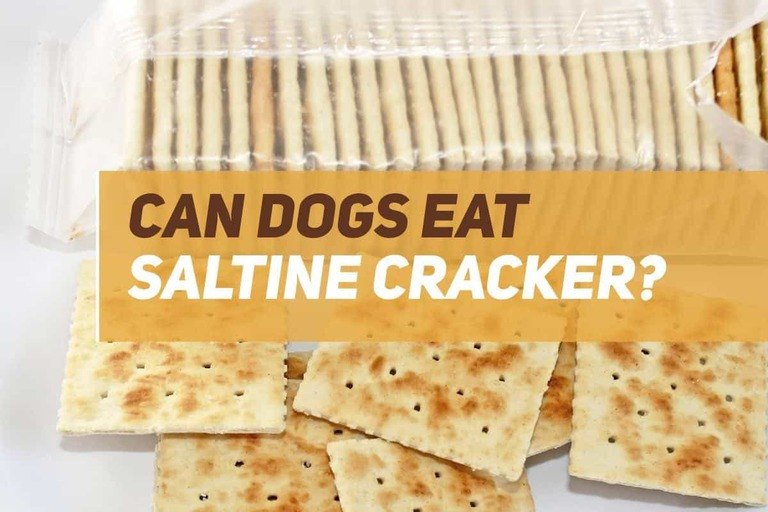
Saltine Crackers

For More Information: Can dogs eat saltine crackers?
Shrimp

Answer: Yes, dogs can eat boiled, unseasoned shrimpWarning: Raw shrimp may contain dangerous bacteria that can lead to shellfish toxicity.
For More Information:Can Dogs Eat Shrimp?
Spam

Answer: No, dogs should never eat spamWarning: Extremely high in sodium making it potentially toxic to dogs. Never feed your puppy Spam.
For More Information:Can Dogs Eat Spam?
Strawberries

Answer: Yes, dogs can eat strawberries
Tomatoes

Answer: Yes, dogs can eat tomatoes in moderationWarning: Offer only small amounts of ripe, plain tomato flesh. Keep stems and leaves away from dogs, and avoid sauces containing onion or garlic.
Walnuts

Answer: No, dogs should never eat walnutsWarning:
Watermelon

Answer: Yes, dogs can eat watermelonWarning: Remove the rind and seeds to reduce choking or digestive risks; serve plain watermelon flesh in small pieces.