Why Are Dogs Afraid of Balloons? Causes and Safety
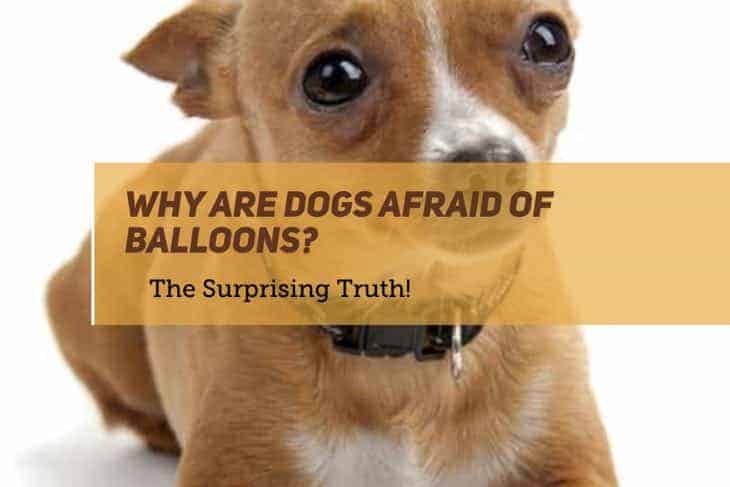
Why are some dogs afraid of balloons? Balloons move unpredictably, rub against surfaces, squeak and sometimes pop without warning. Those sights and sounds can alarm dogs that are sensitive to sudden changes. Other dogs ignore balloons, so there is no single universal explanation. If a dog hides, freezes, backs away or attempts to escape, respect the response rather than encouraging a chase or forcing it to stay nearby.
Safety comes first: Do not offer inflated balloons as dog toys. A deflated or broken balloon can be chewed or swallowed, creating a choking or intestinal obstruction concern. Remove balloons and fragments from pets’ access, especially during celebrations, and contact a veterinarian promptly if your dog swallows one.
What makes balloons unsettling?
Some dogs react to the erratic movement and squeaking; others are startled by a loud pop. A past unpleasant experience with a balloon may contribute to the association, but owners often cannot identify a single cause. The PDSA’s noise-phobia guidance explains how sudden sounds and previous experiences can influence fear responses. Pain or another medical problem may also increase sensitivity to noise.
What do fear signals look like?
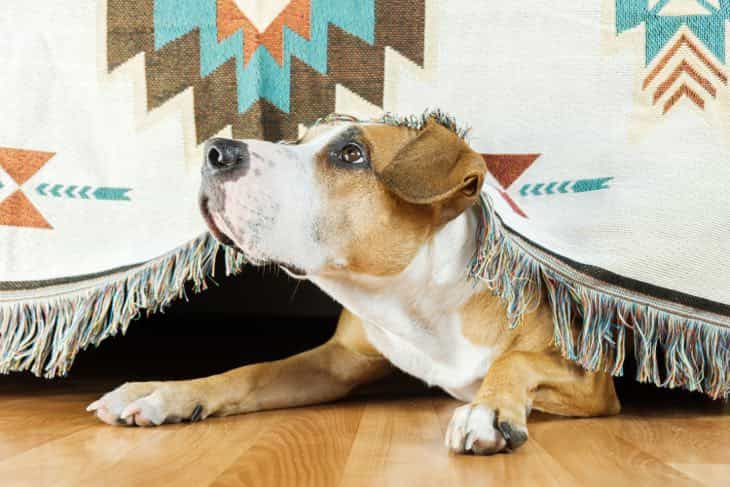
A dog may step away, crouch, tremble, pant, tuck its tail, turn its head away or bark at the object. Some dogs become completely still rather than running. Body language varies between animals, so look for several signals and the situation in which they occur. Our guide to anxiety signs helps put lip licking, pacing and avoidance in context.
Why balloon play is not a suitable dog game
An inflated balloon can burst easily, creating pieces small enough to swallow. The balloon’s appearance may encourage a chase, while an unexpected pop can worsen fear or create a startling experience. Because chewing and swallowing are plausible risks, choose dog toys manufactured for the pet’s size and chewing style instead. Supervise play with any toy and replace damaged items.
What if your dog swallowed a balloon?
Contact a veterinarian for advice without delay, even if your dog initially appears normal. The material may cause choking or a gastrointestinal blockage. A dog with breathing difficulty, repeated vomiting, marked distress or collapse requires emergency care. Do not attempt to make the dog vomit or use household remedies without direct veterinary instruction. Save a matching balloon or packaging so the clinic can understand what was swallowed.

Help your dog feel safer during celebrations
- Prepare a calm space away from balloons, popping noises and busy visitors.
- Keep balloon decorations above pet access and promptly collect broken pieces.
- Allow the dog to choose whether to approach people or retreat.
- Offer familiar calm activities, such as resting or an appropriate food toy, away from the trigger.
- Do not demand eye contact, obedience or exposure when the dog is frightened.
Should you train a dog to tolerate balloons?
For most households, keeping balloons away is enough. If anxiety generalizes to everyday sounds or moving objects, a veterinarian or qualified reward-based behavior professional can create a gradual plan at a level the dog tolerates. Never repeatedly pop balloons near an unwilling dog to ‘get it used to’ the sound. The PDSA’s phobia guide warns that forced exposure can make fear worse.
What if a dog suddenly starts fearing ordinary sounds?
A new reaction to previously tolerated noise deserves veterinary attention. Pain, illness and sensory changes may influence responses. Keep a brief record of when the fear began and how the dog behaves. If vacuum noises are a trigger too, see our vacuum-fear guide for gentle household management.
Bottom line
Balloon movement, squeaks and pops can frighten dogs, but the larger practical issue is safety: balloons are not appropriate chew toys. Remove them from play areas, respect signs of fear and seek professional help if exposure or swallowing causes concern.