Heartworm Prevention for Dogs: Testing and Safe Options
What is the best heartworm prevention for dogs? The most suitable prevention is a veterinary-prescribed product chosen for your dog’s age, weight, health, location, and parasite risks, together with regular testing. There is no universal “best” medicine, and flea-only products or general intestinal dewormers must not be mistaken for heartworm preventives. The American Heartworm Society recommends year-round prevention and veterinary guidance.
Editorial note: This page previously contained an archived comparison that incorrectly grouped several dewormers and flea products with heartworm preventives. We removed that comparison and its associated product links because the product classifications and recommendations could mislead pet owners. This revised guide explains safer selection criteria without promoting medicines that have not been independently checked.
What is heartworm disease?
Heartworm is a parasite spread by infected mosquitoes. In dogs, adult worms can harm the blood vessels of the lungs and the heart. Dogs with early infections may have no obvious symptoms, which is one reason veterinary testing is important. Possible signs include cough, reduced energy, difficulty exercising, or breathing problems. Difficulty breathing, fainting, or serious weakness warrants urgent veterinary care.
How does heartworm prevention work?
Veterinarians can prescribe preventive medicines that protect dogs from developing heartworm disease. Some also control certain intestinal worms, fleas, or ticks; others do not. Never assume that a medicine sold as a “dewormer” or “flea treatment” also protects against heartworm. Review the approved indications on the current product label with your veterinarian.
Forms of prevention
- Oral: Prescription preventives commonly given on a recurring schedule.
- Topical: Prescription products applied to the skin as directed; parasite coverage varies.
- Injectable: Veterinary-administered longer-acting options may be available depending on the dog and jurisdiction.
Choose the formulation with a veterinarian rather than by convenience or an older online ranking. Product-specific age limits, weights, precautions, and intervals vary.
Heartworm prevention for puppies
Discuss prevention during your puppy’s early wellness visits. The starting age and suitability depend on the particular approved product, your puppy’s weight, and its health history. Never substitute an adult dog’s medicine or adapt someone else’s dose. Your clinic can explain the testing and follow-up schedule appropriate for a newly adopted puppy or dog.
Do dogs need heartworm testing?
Yes. The American Heartworm Society’s testing guidance recommends annual testing for dogs, including those receiving year-round prevention. Additional testing may be appropriate before starting prevention, after a gap in treatment, or when a dog’s history is unknown. The schedule differs for young puppies and adult dogs.
If a dose was missed or a product was given late, contact your veterinarian for the next steps rather than doubling up or inventing a new schedule.
Questions to ask your veterinarian
- What heartworm preventive is appropriate for my dog’s age, weight, medical history, and local risk?
- What other parasites does it actually protect against?
- What testing should be done before starting and each year?
- Could my dog’s medicines or known sensitivities affect the choice?
- What should I do if a dose is missed or a reaction occurs?
Can mosquito control replace preventive medicine?
Reducing standing water and mosquito exposure may lower bites, but it does not replace veterinary heartworm prevention. Treating established heartworm disease is more complicated than routine prevention, making an appropriate preventive plan valuable.
How to choose a prevention plan without confusing products
A useful comparison starts with your veterinarian’s recommendation and the product’s approved heartworm claim, not a marketing phrase such as “all-in-one parasite protection.” Some products prevent heartworm infection and address selected intestinal parasites; other products focus on fleas or ticks without providing heartworm prevention. Different products also have different age, weight and health restrictions. Bring the exact product name and label to your veterinarian rather than substituting based on packaging color or a retailer’s category.
What annual testing and missed-dose follow-up mean

Illustrative photograph: Jonatan Bustos / Unsplash. Not a documented veterinary patient or treatment.
The Companion Animal Parasite Council recommends annual heartworm antigen and microfilariae testing and year-round prevention. A negative result immediately after a mosquito exposure does not reliably rule out an early infection because detectable markers take time to develop. If preventive medicine has been interrupted, contact the prescribing clinic promptly: your veterinarian can assess the gap, whether a dose should be resumed, and when follow-up testing is needed. Do not assume that doubling up or switching to a flea-only product corrects the problem.
A practical checklist for your dog’s next appointment
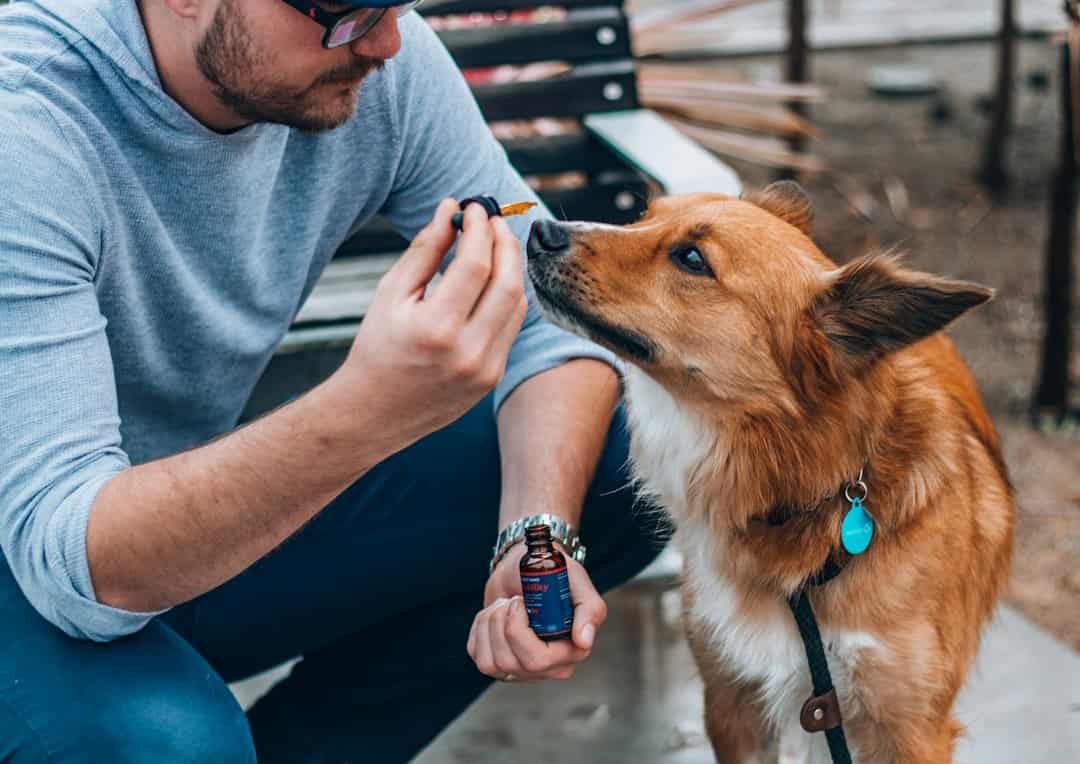
Illustrative photograph: Honest Paws / Unsplash. Not a documented veterinary patient or treatment.
Record the dog’s current weight, age, travel destinations, existing medicines, past preventive products and the date of the last dose. Ask which parasites the proposed preventive actually covers, what testing is planned, and how the plan changes if you travel. An indoor dog can still encounter mosquitoes. Dogs adopted from another region may have a different exposure history. These details are more useful than selecting a universal “top five” treatment list.
Prevention is not the same as treating an infection
Heartworm preventive medicines are designed to prevent established disease, while a positive diagnosis requires an individualized veterinary assessment and a separate treatment plan. Do not attempt to treat a positive dog with routine over-the-counter dewormers. For further detail see the American Heartworm Society’s pet-owner guidance and our guide to puppy coughing and respiratory warning signs; coughing alone cannot identify heartworm disease.
More information
For evidence-based guidance, consult the Companion Animal Parasite Council heartworm guideline and the American Heartworm Society. Our new-dog adoption checklist covers planning for preventive veterinary care.