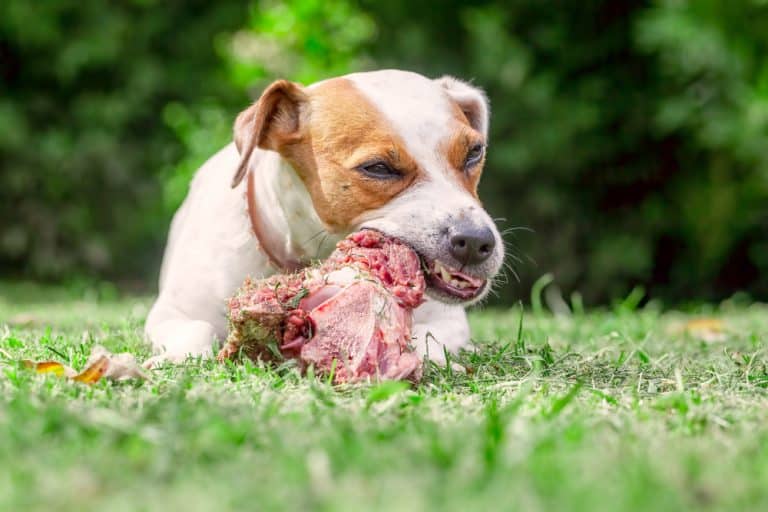
High-Calorie Dog Food: When Dogs May Need More Energy
Does your dog need high-calorie food? A food with more calories per serving can help some dogs meet their energy needs, but it should not be the automatic response to a dog looking thin. Sudden weight loss, appetite changes or poor growth can signal a health problem. Talk to your veterinarian before switching to a calorie-dense diet or adding a weight-gain supplement.
Editorial update (October 2026): This article previously contained an older product roundup and an AzlinkPRO shopping comparison. Those unverified products and their claims were removed; we have kept the original page address and developed this guide around veterinary nutritional assessment instead.
When might a dog need an energy-dense diet?
Energy needs vary with age, growth, activity, reproductive status, health and recovery from illness. A veterinarian may recommend a calorie-dense complete food for certain dogs that cannot maintain an appropriate body condition on their existing feeding plan. However, a dog losing weight despite eating normally should be assessed rather than simply fed more.
Check body condition, not appearance alone
Healthy body weight cannot be determined reliably from breed, age or one measurement alone. Veterinarians use body condition and muscle condition assessments along with weight trends and medical history. The World Small Animal Veterinary Association (WSAVA) provides nutritional assessment and body condition resources for dog owners and veterinary professionals.
What to check when comparing dog foods
- Calorie density: Compare the stated calories per cup, can or kilogram, taking account of how the food is actually measured.
- Nutritional adequacy: The food should be complete and balanced for your dog’s life stage and circumstances unless a veterinarian prescribes a different approach.
- Feeding plan: Ask how the portion size will be determined and when weight and body condition will be reassessed.
- Digestive tolerance: An abrupt change or very rich formula may not suit an individual dog.
- Manufacturer information: Look for qualified formulation, quality-control processes, evidence and accessible product information rather than marketing terms such as “premium” or “performance.”
WSAVA’s pet-food selection questions help identify the information worth checking.
Should puppies eat high-calorie adult food?
Puppies need diets formulated for growth, and large-breed puppies have particular nutritional considerations. Adult performance feeds, homemade weight-gain mixtures and unverified supplements may not deliver the right balance of nutrients. Ask your veterinarian to choose a growth-appropriate feeding plan, especially if a puppy seems underweight.
What if your dog is losing weight?
Record the dog’s usual food, treats, appetite, activity and weight trend. Arrange veterinary care if weight loss is unexplained, persistent or accompanied by vomiting, diarrhea, thirst, lethargy or another change. The right plan may involve treating a medical condition, changing portions or selecting a different complete diet, rather than simply increasing calories.
Do weight-gain powders or supplements work?
Adding unverified supplements to food can create an unbalanced diet and may mask an underlying problem. The older product list on this page should not be used to select a treatment. If extra calories are appropriate, your veterinarian can help choose a suitable product and monitoring plan.
Related PuppyFAQs guides
Read our eight-week-old puppy feeding guide for general meal-planning questions and guide to veterinarian-prescribed protein modification to understand why different medical diets are not interchangeable.