Low-Protein Dog Food: When Veterinary Diets Are Needed
Does your dog need low-protein food? Usually not unless a veterinarian has identified a medical reason for a diet with controlled protein and other nutrients. Dogs need adequate protein to maintain tissues and normal health, while some diagnosed conditions require a carefully balanced therapeutic diet. Do not restrict a puppy’s protein or switch an older dog to low-protein food solely because of age.
Editorial note: This article previously presented a 2020 product roundup and an AzlinkPRO table that mixed foods intended for different nutritional purposes. Those recommendations and associated product links have been removed to avoid presenting ordinary products as substitutes for a prescribed therapeutic diet.
When might a veterinarian recommend protein modification?
Dogs with certain stages of chronic kidney disease may benefit from a veterinary renal diet formulated with controlled amounts of high-quality protein, reduced phosphorus and other tailored nutrients. The right food is determined by clinical findings, laboratory results, appetite, body and muscle condition, and concurrent problems—not the protein percentage printed in isolation on a bag. See VCA Canada’s guidance on nutrition for dogs with chronic kidney disease.
Why not just buy any low-protein dog food?
A general “low-protein” marketing label does not establish that food is appropriate for kidney disease, liver disease, a growing dog or another condition. Therapeutic renal foods are formulated around several nutritional targets, not just protein. Some everyday foods marketed as light, low-fat or sensitive digestion have entirely different purposes. Never substitute one for another without consulting your veterinarian.
How to compare prescribed veterinary diets
- Medical diagnosis: Clarify which health problem the diet is intended to support and why a nutritional change is indicated.
- Life-stage and adequacy: Confirm the formula can safely meet the dog’s total nutritional needs and any growth-related needs.
- Protein quality and other nutrients: Ask your veterinary team about protein, phosphorus, sodium, calories and other medically relevant levels.
- Eating enough: Dogs with an illness still require adequate energy and protein to avoid unintended loss of muscle.
- Reassessment: Plan follow-up checks for appetite, weight, muscle condition and test results.
Merck Veterinary Manual’s renal disease guidance notes that kidney-support diets balance phosphorus and appropriate protein while attention is paid to body and muscle condition.
What about senior dogs?
Age by itself does not mean a dog should eat less protein. Senior dogs can have different needs related to activity, appetite, muscle loss and health status. A veterinarian can distinguish a condition requiring a therapeutic food from a normal life-stage feeding question.
Can you make a low-protein dog diet at home?
Homemade restrictive diets are easy to unbalance. When an individually formulated diet is necessary, ask a veterinary nutrition specialist for a complete recipe and monitoring plan. Avoid internet recipes or altering food by replacing meat with rice or vegetables without professional direction.
Questions to ask the veterinary team
- What diagnosis and test results support this specific diet?
- What nutritional targets, including phosphorus, matter for my dog?
- Is this food appropriate for my dog’s age and life stage?
- How should the food be introduced and appetite monitored?
- When should we repeat laboratory tests and body condition checks?
Why ‘low protein’ is not the complete prescription
Some renal nutrition plans also consider particular fatty acids. Read our fish-oil safety and selection guide to understand why supplements need individualized veterinary advice instead of being added to a prescribed diet automatically.
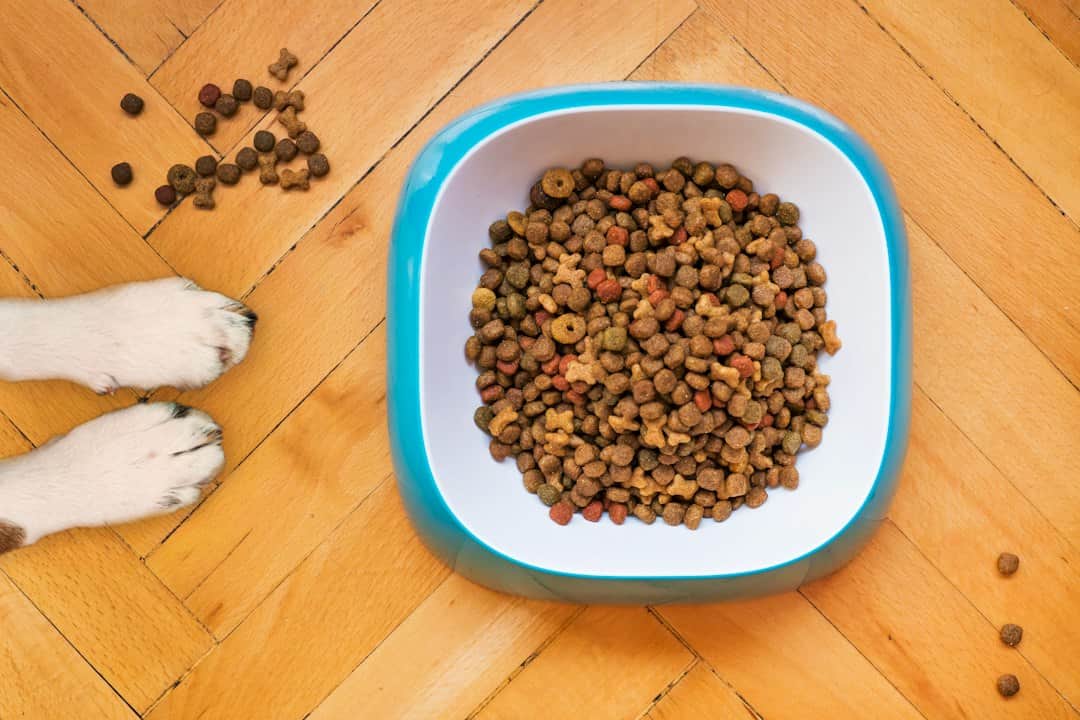
Illustrative photograph: Mathew Coulton / Unsplash. Not a documented veterinary patient or treatment.
A therapeutic kidney diet is not simply ordinary food with less meat. Veterinary renal formulations generally manage several nutritional variables, particularly phosphorus, along with protein quality and amounts, sodium and sometimes omega-3 fatty acids. The appropriate targets depend on the diagnosis, disease stage, other conditions, appetite and laboratory results. Tufts University veterinary nutrition specialists explain why phosphorus control and a purpose-formulated diet matter in kidney disease. A package displaying a low crude-protein percentage does not prove that it is a suitable renal diet.
The difference between protein restriction and loss of muscle
Protein is essential for maintaining muscle and tissue. Older dogs can lose lean body mass for reasons unrelated to their diet; this is not a reason to reduce protein automatically. Your veterinary team should consider body condition, muscle condition, underlying diagnoses and the amount your dog actually eats. If a dog has kidney disease but refuses a prescribed food, discuss appetite and alternatives promptly rather than permitting prolonged under-eating. Cornell’s senior-dog nutrition guidance explains why muscle maintenance remains important.
How to judge a therapeutic food choice

Illustrative photograph: Grant Durr / Unsplash. Not a documented veterinary patient or treatment.
Before changing diets, ask whether the food is complete and balanced for the dog’s life stage and whether it is intended for a specific medical condition. Confirm the proposed transition plan, palatability options and follow-up testing schedule. Ask how treats should fit into the plan: high-phosphorus or high-protein snacks may undermine a carefully prescribed diet. Do not substitute another dog’s renal food without confirming suitability for your own pet. The WSAVA nutrition toolkit provides questions to assess the formulation and nutritional oversight of pet foods.
When the appointment should come before a food purchase
New changes in appetite, drinking, urination, vomiting, activity or body condition warrant veterinary advice rather than a blind switch to “senior” or low-protein food. Kidney problems are only one possible explanation. Bring recent diet labels, treat names and a clear record of symptoms. Medical monitoring and diet are parts of the same care plan, not competing alternatives.
Related reading
See our guide to high-calorie food and unexplained weight changes, or review the WSAVA nutrition selection resources before discussing a diet with your veterinary team.