Fish Oil for Dogs: Benefits, Risks and Selection Guide
Does your dog need fish oil? Some dogs may benefit from omega-3 fatty acids as part of a veterinarian-supervised nutrition or treatment plan. But not every dog needs an extra supplement, and fish oil is not a cure for cancer, arthritis, heart disease, or other conditions. Start by discussing your dog’s complete diet, health, and current medicines with a veterinarian.
Editorial note: Earlier versions of this article included a product ranking, unverified treatment claims and product-specific feeding amounts. Those older reviews and associated shopping links have been removed because formulas and availability may have changed and dosage claims were not reliable. This article now focuses on selection criteria and safety rather than an unverified current “best” product.
What is fish oil for dogs?
Fish oil contains the omega-3 fatty acids EPA and DHA. These nutrients contribute to normal body functions, and veterinary professionals may recommend particular EPA/DHA amounts for selected medical needs. An appropriately formulated complete and balanced dog food may already supply the fatty acids your dog requires.
Possible benefits and limits
Research supports considering omega-3 fatty acids for certain inflammatory conditions under veterinary supervision, but results vary by diagnosis, product formulation and the rest of the care plan. Do not rely on a supplement alone to treat a disease. Claims that a fish-oil product will guarantee a shiny coat, cure joint disease, prevent cancer or improve every dog’s immune system are not adequately supported.
See VCA Animal Hospitals’ fish-oil overview for veterinary uses, risks and medication interactions.
How to compare fish oil supplements
- EPA and DHA content: Compare the specific amounts of these fatty acids, not just the total milligrams of “fish oil” advertised on the front of the package.
- Complete ingredient list: Check for other vitamins, flavorings, allergens, or substances that might not suit your dog.
- Quality and freshness: Look for meaningful manufacturing standards, testing information, expiration date and appropriate storage instructions.
- Delivery format: Liquids and capsules can differ in storage, measurement and acceptability. A veterinarian can help select a suitable format.
- Existing diet: Consider whether your dog’s complete diet already contains sufficient EPA and DHA for its needs.
How much fish oil should dogs receive?
There is no one-size-fits-all dose suitable for publication as general advice. Supplement strengths vary greatly, and the appropriate amount depends on the dog’s condition, weight, other dietary fat and concurrent medicines. If a veterinarian recommends supplementation, follow their product-specific directions. Do not reuse a dosage from an old internet review or another dog’s treatment plan.
Risks and side effects
Fish oil can cause digestive upset and other unwanted effects. Your veterinarian should assess extra precautions for pets with a history of pancreatitis, bleeding disorders, allergies, or those taking medicines that affect blood clotting. Discuss any unusual symptoms with a veterinary clinic rather than increasing or changing a supplement on your own.
Questions to ask before buying
- Is fish oil needed given my dog’s current food and health?
- Which EPA/DHA formulation is appropriate for the goal of care?
- How should the product be stored and monitored?
- Are there contraindications or interactions with other medicines?
- What changes, if any, should we expect and when should we reassess?
The World Small Animal Veterinary Association’s global nutrition resources are a useful starting point for discussing diet with your veterinary team.
EPA and DHA: the detail missing from many product labels

Illustrative photograph: Alex Saks / Unsplash. Not a documented diagnosis, supplement evaluation or treatment.
Fish oil’s main nutritional interest is in the marine omega-3 fatty acids EPA and DHA. A product advertising “1,000 mg fish oil” does not necessarily contain 1,000 mg of EPA plus DHA. The label should identify the amount of each fatty acid, and the manufacturer should provide reliable testing and storage information. Supplements vary in concentration and freshness. The VCA veterinary overview explains appropriate monitoring and why fish oil should be reviewed alongside other medicines.
Which conditions have plausible benefits?
Veterinary teams sometimes consider marine omega-3 supplementation within broader treatment plans, including for certain skin, joint or renal conditions. However, benefits depend on diagnosis, dosage, evidence and the rest of the care plan. A supplement is not interchangeable with treating infection, pain or a chronic medical problem. A balanced complete food may already supply appropriate fats, making an additional bottle unnecessary. Ask the veterinarian what specific outcome would indicate that the supplement is useful.
Possible adverse effects and interactions
Fish oil may cause digestive upset, a fishy smell or unwanted additional calories. It also requires extra care for dogs with clotting problems, a history of pancreatitis or medicines that affect bleeding. Stop and seek veterinary advice if a dog develops concerning symptoms after starting a supplement. Do not copy an online fish-oil dose from another dog’s weight or assume that capsules formulated for people are suitable. Your veterinary team should interpret the EPA/DHA amounts and the dog’s health history together.
A practical product comparison checklist
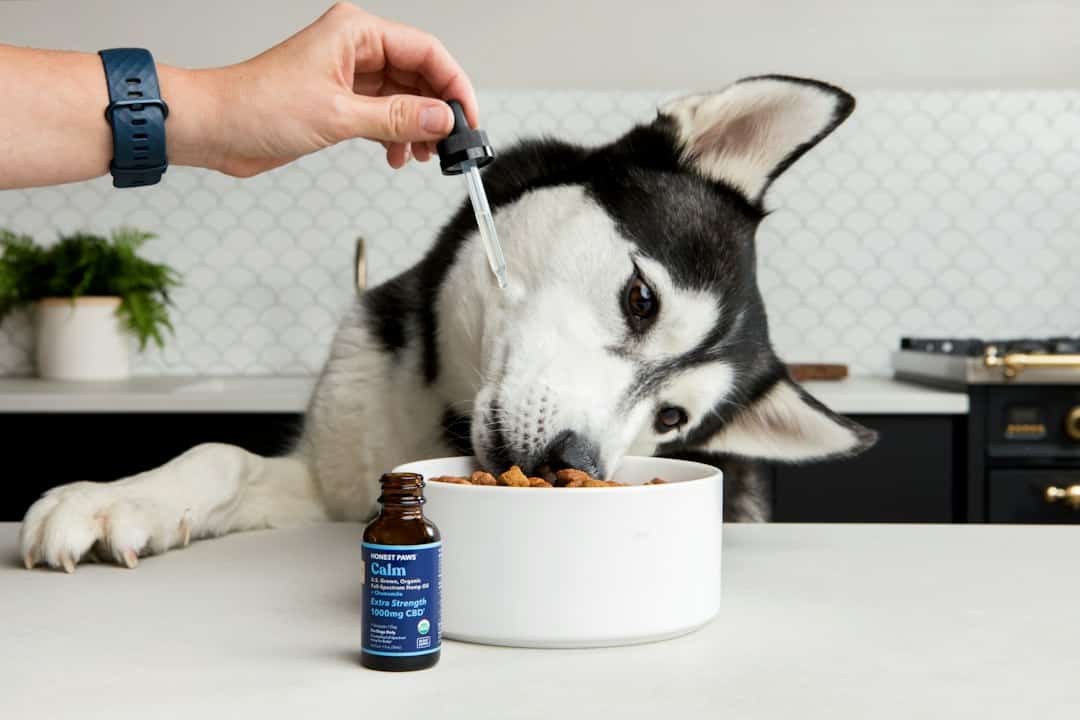
Illustrative photograph: Honest Paws / Unsplash. Not a documented diagnosis, supplement evaluation or treatment.
Compare the declared EPA and DHA rather than the total oil claim; ask about identity and contaminant testing, expiry dates and protection against oxidation, and note whether the food already contains omega-3 ingredients. Consider whether liquids, capsules or another veterinary-approved format are realistic for your dog. Before buying, agree with your veterinarian on the intended purpose, how to assess benefit and what to do if the product is not tolerated. Our coconut-oil guide explains why different oils are not nutritionally interchangeable.
Related food and nutrition guides
Read our articles on salmon for dogs, coconut oil, and raw-feeding safety.