Can Dogs Eat Sardines?
Can dogs eat sardines? Plain, appropriately prepared sardines can provide nutrients, but the preparation matters. Choose options without added salt, sauces or seasonings and check for bones or pieces that your dog may not handle safely. Oily fish should be an occasional addition, not a substitute for a complete diet. If your dog has pancreatitis, digestive problems or a prescription diet, ask your veterinarian before adding fatty fish or supplements.
Fish can provide many nutrients that the meat from other animals can’t, and you may, therefore, be considering which kinds of fish are most healthy and safe for your dog. This article is for those of you who are now pondering the question – can dogs eat sardines?
We will explore whether sardines are a safe and healthy option for your dog, and if so, how to feed them.
In this article, we will discuss:
- Are canned sardines safe for dogs to eat?
- Can you feed raw sardines to a dog?
- What is the nutritional value of sardines for a dog?
- What are the health concerns of feeding sardines to dogs?
- How to feed sardines to your dog
- Alternative types of fish that are good for dogs

Yes, dogs can eat sardines.
Canned sardines are a great source of protein, omega-3 fatty acids, and coenzyme Q10. Adding a few sardines to regular meals is fine.
Are Canned Sardines Safe For Dogs To Eat?
Fish isn’t just for cats, you know? Canned sardines are a perfectly safe way to get some healthy oily fish into your dog’s diet.
You can quickly source canned sardines in your local supermarket or grocery store, and they are usually relatively cheap and have a long shelf life due to being canned.
Canned sardines make a great snack, and they are also a smart way to jazz up your dog’s meal for a treat or to encourage your dog to try a new brand of kibble if they are turning their nose up and you have already invested in a large bag of it.
If you are feeding canned sardines to your dog, you should be aware that they come with a variety of different flavorings, some of which are less healthy than others.
Where possible, you should go for wild-caught sardines that are packed in spring water. This way, you can avoid additives or oils that may be harmful to your dog.
If canned sardines in spring water are not available, it won’t hurt your dog to offer them sardines in natural oils such as olive oil or coconut oil.
You can always reserve most of the oil in the can for yourself if you don’t want your dog to have so much.
Some dog owners may not have a problem feeding the canned sardines in tomato sauce, but be aware that these will contain various other ingredients that may upset your dog’s stomach or be detrimental to your dog’s health over time if fed regularly.
You should also check the ingredients list and go for the brand with the lowest sodium content where possible.

Can You Feed Raw Sardines To A Dog?
When you feed canned sardines to your dog, you are mostly feeding cooked fish.
If your dog is on a raw diet, you may be wondering if it is safe to feed raw sardines from the fresh fish counter, especially as the general advice provided by vets tend to state that raw fish should never be supplied due to the parasites and bacteria that live in the meat of the fish.
The many raw feeders who continue to safely feed raw fish to their dogs without any health repercussions largely contradict this advice. To whom do you believe?
Visible or invisible parasites and bacteria in raw fish are reasons to avoid treating it as a safer feeding choice. Testimonials from people who feed raw fish are not evidence that the practice is risk-free. Properly cooked fish without harmful additions is the safer general option.
Do not rely on freezing raw fish for 24 hours to make it safe. Freezing is not a reliable way to eliminate harmful bacteria, and parasite controls depend on species and validated processes. Cook fish thoroughly, avoid excessive salt and seasonings, and ask a veterinarian before adding fish routinely to your dog’s diet. The ASPCA explains the risks of raw animal foods.
Longer home freezing is not proof that uncooked fish is microbiologically safe. To reduce bacterial and parasite risks, use fully cooked plain fish, and keep any canned fish low in added salt and free from sauces or seasonings that are unsuitable for dogs.
Since our oceans are becoming more and more polluted, it is also essential to be aware of where you source your fish from.
If you are concerned about the bones in raw fish, you can always grind the fish before feeding it to your dog so that there are no significant bone pieces to causes blockages and other problems.
What Is The Nutritional Value Of Sardines For A Dog?
Not only are they an excellent source of protein, which is essential for your dog, as they need a high protein diet to keep them healthy, but canned sardines are also a natural source of omega-3 fatty acids.
Omega-3 is an excellent boost for many different aspects of your dog’s health, helping to decrease inflammation and reduce the risk of illness.
You should incorporate sardines into your dog’s weekly diet for a continuous health boost, adding some tasty variety to your dog’s meals.
Sardines are also a good source of coenzyme Q10, which is very significant for neural development and dental health.
Because of this, it is recommended to offer sardines as a supplement to puppies that are in constant development in all areas of their bodies and can do with all the help they can get during the most critical growth phase of their lives.

What Are The Health Concerns Of Feeding Sardines To Dogs?
The primary health concern of feeding fish to your dog is the mercury content. In comparison to most other fish, sardines are small and low on the food chain, which means that they contain a considerably less amount of mercury than larger fish such as salmon.
Another common concern about feeding sardines to dogs is the small bones posing the threat of blockages and other complications.
The good news is that sardines are soft boned, which means that you can feed them whole quite safely, although you should supervise your dog when feeding raw sardines to make sure that they don’t have a hard time chewing or digesting them.
If you are feeding canned sardines, the bones will be so soft that they will pretty much disintegrate without you or your dog even realizing they are there.
How To Feed Sardines To Your Dog?
If you are looking for new ways to incorporate sardines into your dog’s diet, check out these creative ideas…
- Use tasty canned sardines to disguise medication that your dog refuses to take. The strong scent of this oily fish will cover up the smell of the pill, no problem. Try crushing the pill p and adding it to mashed up sardines. Your dog will be guaranteed not to notice.
- Pour sardine juice from the can over your dog’s kibble to add some moisture and flavor. This is especially good for puppies or older dogs who need their kibble softening a little.
- Feed sardines as a meal straight from the can dog bowl.
- Stuff a Kong with sardines and offer to your dog to keep them busy. You can freeze it to make it last longer for your dog.
- Mash up some sardines and add it to a licking mat to keep your dog occupied and distracted while washing them or inspecting their paws. Licking mats are a great idea, and some of them can even be fixed to vertical surfaces to keep your dog facing in one direction while you do what you need to do!
Alternative Types Of Fish That Are Good For Dogs
If you are looking to add even more variety to your dog’s diet, why not try some of these other great fish options?
- Mackerel
- Smelt
- Salmon
- Trout
- Tuna
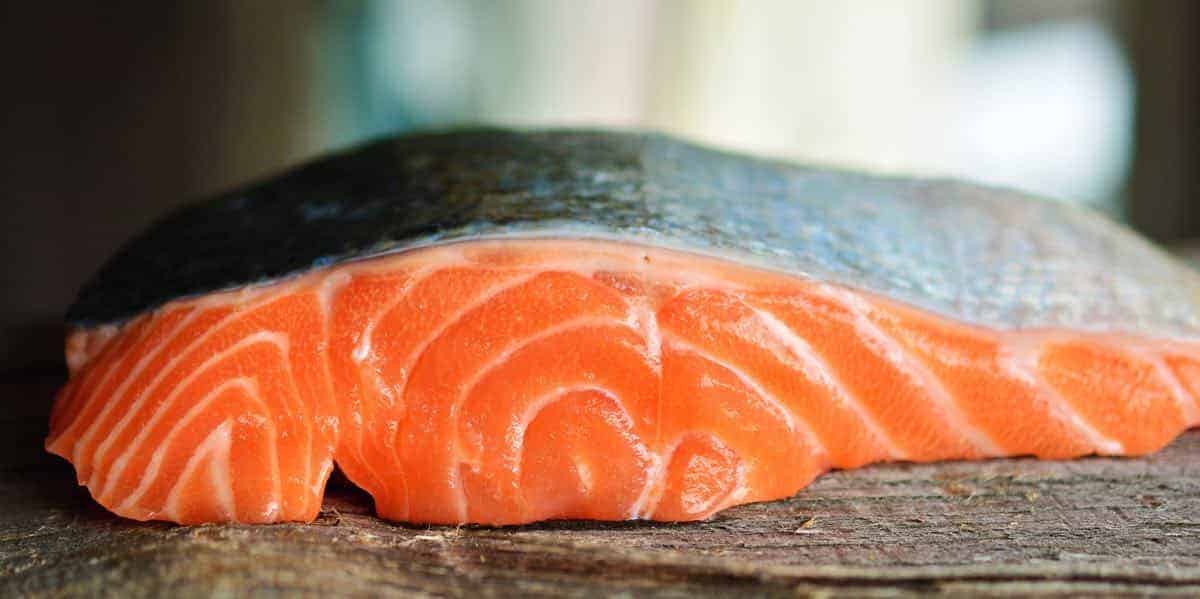
Don’t forget to debone cooked fish, and be mindful of the dangers of feeding certain types of fish raw, for example, salmon, as there have been many cases of salmon poisoning in dogs.
If you want to feed salmon to your dog, you are best to serve it fully cooked and not raw or even smoked.
You can also feed fish skins and small fish that have been dried as treats for your dog. Freeze-dried white fish or salmon treats are easy to feed too, and can be bought in packets that have a long shelf life.
FAQS
Is it OK to feed my dog sardines everyday?
Plain sardines can be an occasional treat rather than a daily addition to a complete dog food. Start with a small amount and ask your veterinarian about frequency if your dog has digestive problems or a prescribed diet.
What tinned fish can dogs eat?
Choose plain, fully cooked fish or canned sardines or salmon packed in water without added salt. Avoid oil, sauces, seasonings, onion and garlic. Tuna is best limited because some varieties contain more mercury. See the AKC fish-feeding guidance.
How much sardines can I give my puppy?
There is no universal tin-size or fish-count serving that suits every puppy. The appropriate amount depends on your puppy’s age, size, diet and daily energy needs. Offer a small portion of plain sardine as an occasional treat; treats generally should make up no more than 10% of daily calories. Ask your veterinarian about portion sizes, particularly for growing puppies. See VCA Canada’s guide to dog treats.
Can dogs eat sardines?
Yes. Most healthy dogs can have a small amount of plain, cooked sardines or unsalted canned sardines packed in water. Avoid raw fish, added salt and heavily seasoned products. Read the label before sharing.
Summary: Can Dogs Eat Sardines
We all want our dogs to be happy and healthy, and so what more can we do than feed natural foods that are good for them and that we know they will enjoy?
Sardines contain protein and omega-3 fats, but a small occasional portion is not a proven treatment for skin problems or other conditions. Your dog’s main food should remain nutritionally complete and balanced.
As long as you are well-informed and feeding fish responsibly, your dog will thank you for it in their unique way. I hope I was able to answer your question: Can dogs eat sardines?