Do Dogs Like Hugs? How to Show Affection Safely
Do dogs like hugs? Some dogs tolerate gentle embraces from familiar people, but many dislike being restrained. A hug may feel affectionate to a person while leaving a dog unable to move away. Watch the dog’s body language and choose petting, play or calm companionship when a hug is unwanted. The BC SPCA recommends letting dogs decide whether they want contact.
Editorial note: Earlier text claimed that hugging directly prevents infections, cures stress-related problems and helps dogs unlearn destructive habits. Those claims were unsupported and have been removed. This revised guide focuses on observable canine body language and humane interactions.
Why can hugs make dogs uncomfortable?
Human hugs usually involve wrapping arms around another person. For a dog, the same action may restrict movement or feel threatening, even when no harm is intended. A dog that remains still is not necessarily enjoying the interaction. Individual preferences depend on the dog, the situation, the person and how the contact happens.
PDSA’s guide to canine body language notes that some dogs turn their heads, flatten their ears or lick their lips when they dislike an embrace.
How can you tell whether your dog welcomes contact?
Read the dog’s whole body, not a single gesture. A relaxed dog may approach voluntarily, lean gently toward a person or return when petting stops. Signs that contact is unwelcome can include:
- Moving away or turning the head away
- Freezing or becoming unusually stiff
- Repeated lip licking, yawning or showing the whites of the eyes in a tense context
- Flattened ears, tucked tail, growling or attempts to escape
Stop touching a dog that displays discomfort. Growling is important communication; punishing it can remove a warning without resolving the underlying feeling.
Ask the dog before petting
Offer a brief, gentle stroke in a place the dog usually enjoys, then pause. If the dog moves away or does not seek more, respect that choice. Avoid holding its collar or restraining it to prolong attention. Teach children to keep their faces away from dogs’ faces and to let sleeping, eating or resting animals be.
The BC SPCA’s petting advice explains how to read a dog’s response and stop when contact is unwelcome.
What are better ways to show affection?
Affection does not require physical restraint. Depending on the dog, positive interactions may include:
- Reward-based training with short, pleasant sessions
- Sniffing walks and age-appropriate enrichment
- Gentle petting that the dog actively seeks
- Interactive games and calm time together
- Respecting resting spaces and giving the dog opportunities to withdraw
Our guide to signs of anxiety in dogs explains why context and changes in behavior matter.
Can hugging cure anxiety or behavior problems?
No. A hug is not a treatment for fear, separation-related distress, destructive chewing or illness. A dog that is frightened by restraint may become more anxious. Behavior problems are better addressed by identifying triggers, reducing stress and using a suitable reward-based training plan. Sudden behavior changes also warrant veterinary assessment.
The American Veterinary Society of Animal Behavior recommends reward-based methods and discourages aversive training techniques.
Should children hug dogs?
Teach children that dogs are not stuffed toys. Children should avoid hugging, climbing on, squeezing or kissing dogs, especially unfamiliar dogs. An adult should supervise interactions closely and help children recognize when a dog wants space. Never leave a young child alone with a dog.
What if your dog seeks physical closeness?
Some dogs enjoy leaning against people, sitting nearby or requesting petting. Others prefer to rest a short distance away. Both can be normal. Let your dog choose comfortable forms of contact without treating a preference against hugging as a lack of affection.
Dog body-language signs to watch while handling
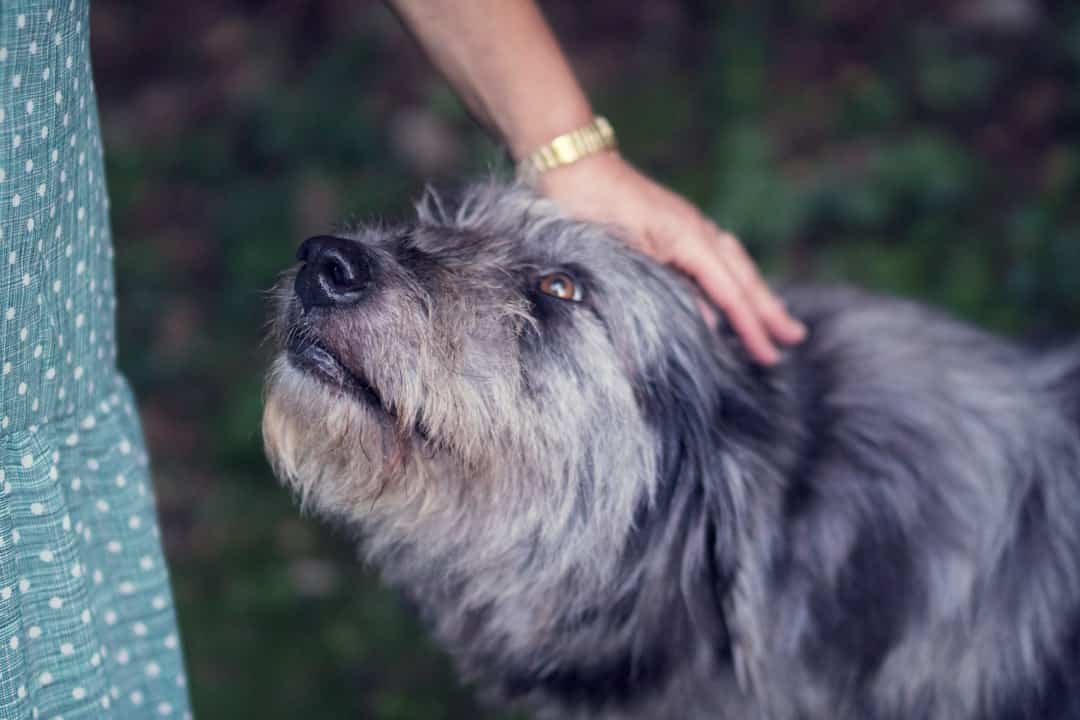
Illustrative photograph: Simone Dalmeri / Unsplash. Not a documented diagnosis, supplement evaluation or treatment.
Signs that contact may be unwanted include stiff posture, leaning away, turning the head, freezing, repeated lip licking, showing the whites of the eyes, or trying to leave. One signal alone is not a diagnosis of fear: assess the whole dog and context. The BC SPCA’s petting etiquette guide recommends allowing dogs to approach and pausing after a few gentle strokes to check whether they seek more contact. Growling should be treated as meaningful communication, not punished away.
A simple consent-based petting routine
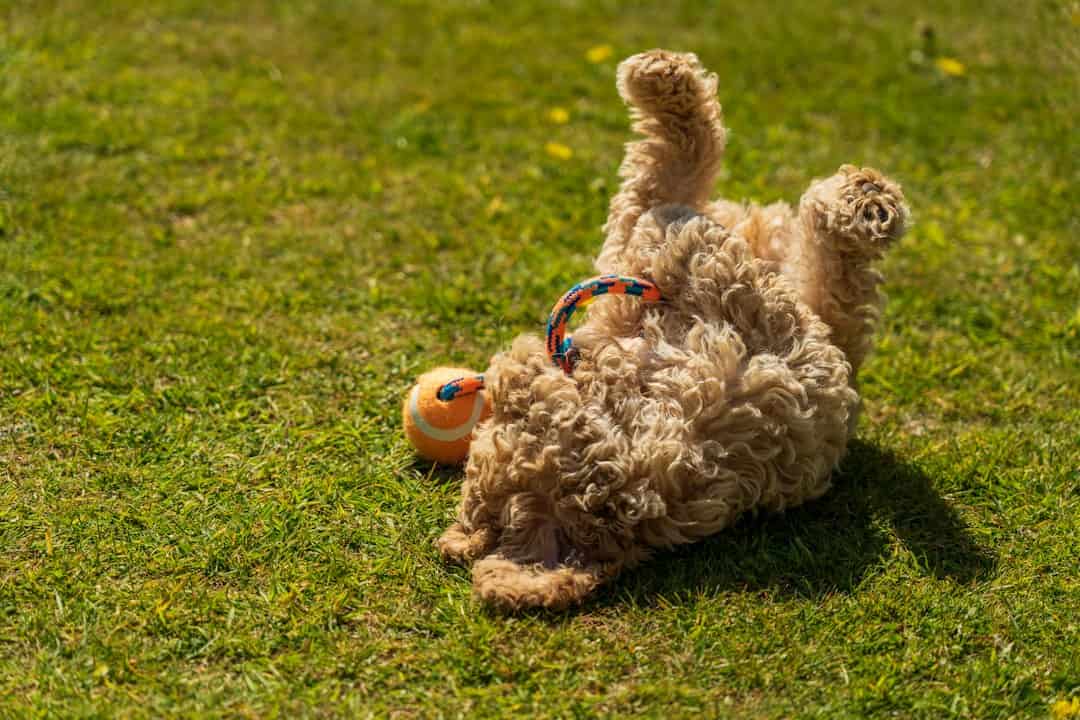
Illustrative photograph: Nick Fewings / Unsplash. Not a documented diagnosis, supplement evaluation or treatment.
Offer the dog a choice to approach, keep your movements calm and pet briefly on a comfortable area rather than reaching over the head. Pause. If the dog moves closer and remains loose, it may welcome more attention. If it walks away, turns its head, stiffens or avoids your hand, stop. This works particularly well for visitors who do not know the dog. It also teaches children that affection is something the animal can opt into, not an activity the person is entitled to continue.
Why photographs can mislead
A dog lying still in an embrace can look calm in a photograph even when it feels trapped. A closed mouth, tense eyes or effort to escape may be missed when attention is directed to the camera. Avoid using posed social-media examples to decide whether your dog enjoys restraint. Safe photographs can show a dog sitting or resting voluntarily beside a person without forcing its face close to a human face.
What to do if touching suddenly becomes uncomfortable
A dog that previously enjoyed handling but now flinches, avoids touch or reacts defensively may be experiencing pain or illness. Arrange a veterinary assessment instead of pushing through the reaction. For longer-term fear or reactivity, seek qualified reward-based training support. Dogs also communicate affection by choosing proximity, bringing a toy or relaxing beside someone. The BC SPCA’s affection guide offers alternatives to forced hugs.
Bottom line
Showing love to your dog means respecting its signals. Skip forced hugs, allow the dog to move away and build a positive relationship through gentle, rewarding experiences. For more on reading subtle signals, see why dogs stare at people.