How Long Can Dogs Go Without Water? Dehydration Signs
How long can dogs go without water? There is no responsible fixed number of hours that tells you it is safe to withhold water. Dogs need dependable access to clean drinking water, and dehydration can develop sooner when it is hot, after exercise or when an animal has vomiting, diarrhea or another illness. Small puppies, seniors and sick dogs may be especially vulnerable. If a dog is refusing water or appears unwell, seek veterinary guidance rather than waiting for a theoretical survival threshold.
Most important: A sudden change in drinking, ongoing inability to keep water down, marked weakness or signs of heat illness require prompt attention. A dog may also drink more than usual because of medical problems. Observe the whole animal rather than trying to judge health from one number or urine color alone.
Why water requirements differ from dog to dog
Water needs vary with food moisture, size, age, climate, exertion, pregnancy, illness and medications. A dog eating wet food may obtain more moisture from meals than one on dry kibble, but still needs drinking water available. A bowl that appears untouched does not automatically mean a dog is dehydrated, and a completely empty bowl does not prove that it is adequately hydrated. The PetMD veterinary guide to reduced water intake explains reasons a dog may drink less.

Common situations that increase dehydration risk
Warm weather, energetic exercise, fever, diarrhea, vomiting and poor access to water can increase losses or reduce intake. Certain disorders can change thirst and urination patterns. Travel and outdoor activities require planning because bowls spill, water sources become unavailable and a dog may be too stressed to drink in an unfamiliar place. Carry water and suitable containers instead of assuming a stream or roadside stop will be available.
Warning signs of dehydration and illness
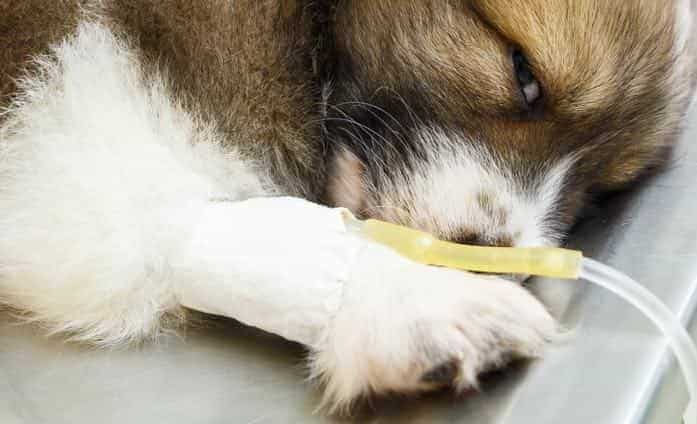
Dry or tacky gums, unusual lethargy, changes in appetite, sunken-looking eyes and decreased urination may indicate dehydration, but each can have other causes and no single sign is a reliable home test. Skin elasticity checks are imperfect in older dogs and different body conditions. A veterinarian assesses physical signs alongside history and, when necessary, diagnostic testing. PetMD’s veterinarian-reviewed dehydration overview describes important signs and treatment considerations.
When to call a veterinarian urgently
A dog that collapses, has difficulty breathing, becomes unresponsive, has persistent vomiting, or shows concerning symptoms after heat exposure requires urgent veterinary assessment. Very young puppies and dogs with underlying conditions may need advice sooner than healthy adults. If the dog cannot or will not drink and appears ill, do not try to compensate by forcing large amounts of water or administering human medicines.
Keeping everyday hydration reliable
- Offer clean, fresh water in an accessible, stable container.
- Check bowls during hot weather and after activity, and clean them regularly.
- Carry water for travel, walks and outdoor play.
- Notice meaningful changes in drinking, appetite and urination patterns.
- Discuss any prescribed limits or monitoring with the dog’s veterinary team; do not independently restrict access.
What about ice cubes, fruit and other water sources?
Some dogs enjoy cool water or a suitable small piece of plain food with high water content. These do not replace access to ordinary fresh water. Ice is not a stand-alone treatment for heatstroke and chewing hard cubes can be problematic for some dogs. See our ice-cube guide and watermelon article for preparation cautions.
What if the dog is drinking much more than usual?
Excessive thirst and increased urination may accompany health problems, including diabetes and kidney disorders. Do not reduce water to make house-training easier or to control accidents. Discuss the pattern with a veterinarian and, if asked, keep notes on drinking and urination. Our diabetes in dogs guide explains one possible cause that needs medical testing.
Bottom line
Never use a survival timeline to decide how long a dog can be left without water. Make fresh water routinely available, notice changes in drinking and overall condition, and contact a veterinarian promptly when illness or dehydration is suspected.