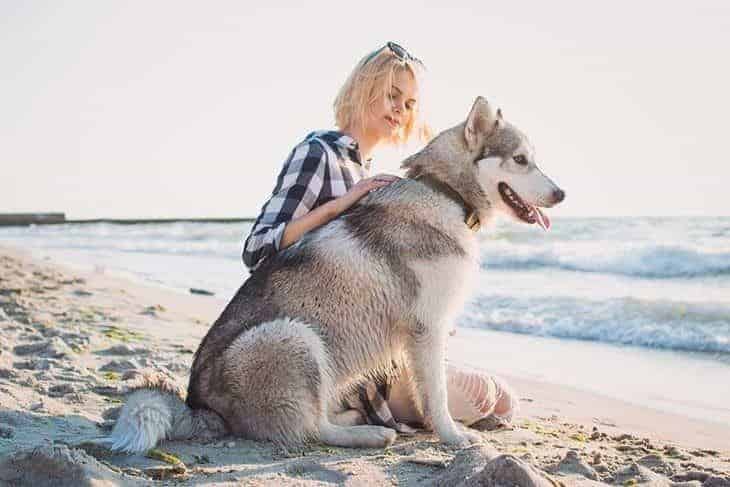
Golden Retriever Husky Mix (Goberian): Care Guide
What is a Golden Retriever Husky mix? Sometimes called a Goberian, this is a dog with Golden Retriever and Siberian Husky ancestry. It is not a standardized purebred type, and no breeder can guarantee which physical and behavioral characteristics an individual puppy will inherit. A thoughtful owner should consider the dog’s actual health, activity needs, coat and temperament rather than relying on photographs or popular breed stereotypes.
The American Kennel Club’s Golden Retriever profile describes an active retrieving breed. Its Siberian Husky profile describes a working breed with its own exercise and management needs. These parental descriptions provide context, not a prediction of how a particular mix will behave.
What might a Goberian look like?
Coat color, ear carriage, eye color, size and body shape can vary widely. Some dogs have a thick double coat resembling one or both parent types; others differ in texture and shedding. Blue eyes, a particular mask or a golden coat are not required characteristics. Two littermates can look and behave quite differently. Ask to see the actual dog and, where possible, information about its parents rather than assuming a fixed appearance.

Temperament is individual, not a formula
Both parent breeds are often described as sociable and active, but an individual dog may be more reserved, independent, energetic or sensitive. Temperament reflects genetics, early experiences, health and current environment. Do not promise that the mix is automatically ideal with children, cats or unfamiliar dogs. Arrange calm introductions and ongoing supervision, especially around young children.
Exercise and enrichment requirements
These dogs may need substantial physical and mental activity, but exact requirements depend on age, fitness and health. Combine appropriate walks, sniffing, reward-based games and enrichment instead of simply increasing exercise until the dog is exhausted. Puppies need different limits from mature dogs. A fenced, secure area is useful for some individuals, but do not assume a mix will reliably stay nearby off-leash.
Grooming and coat care
Dogs inheriting a dense coat may shed heavily, especially seasonally. Plan for brushing that reaches the undercoat without causing discomfort, routine skin inspection and professional grooming support when necessary. Do not shave a double coat simply to reduce shedding or provide cooling without professional advice. Keep the dog comfortable in hot weather with shade, water and appropriate activity adjustments.

Training with humane methods
Use food rewards, play and predictable routines to build recall, leash skills and calm greetings. Independence or distraction is not a reason to use punishment. The AVSAB humane training guidance supports reward-based teaching and discourages aversive tools. See our loose-leash walking guide and clicker training overview for practical starting points.
Health screening and veterinary planning
Ask a veterinarian about body condition, hips and other joint concerns, eyes, inherited conditions relevant to the parent lines and suitable preventive care. Mixed-breed status does not guarantee better health or rule out genetic disorders. A responsible breeder or rescue should share known records without claiming that the puppy cannot inherit disease. A veterinarian can recommend screening based on the individual animal.
Food and feeding decisions
Choose a complete diet appropriate for the dog’s age, size and life stage. Adjust feeding to body condition, not to internet charts for a mythical standard Goberian weight. Treats and extras should not displace balanced food. Some dogs have sensitivities or medical needs requiring individualized advice. Our guide to feeding and unexplained weight loss describes why underlying health matters.
Is this mix a good fit for your household?
- Can you provide regular activity, enrichment and humane training?
- Can you manage shedding and seasonal coat care?
- Is your home secure and equipped for an energetic dog if needed?
- Can you budget for veterinary preventive care and unexpected illness?
- Have you met the individual dog and assessed interactions with household members?
Buying or adopting responsibly
Look for transparent veterinary history, health information about parents where available, appropriate socialization and an opportunity to meet the dog without pressure. Be skeptical of guaranteed size, color, easy temperament or ‘hypoallergenic’ claims. If considering adoption, a good rescue can discuss the individual dog’s observed behavior and needs. Our Beagle–Lab mix guide discusses similar variability.
Bottom line
A Golden Retriever Husky mix can be an engaging companion, but the label cannot predict its size, coat, personality or health. Prepare for a potentially active dog, train with rewards, and base ownership decisions on the individual rather than a breed-mix promise.