Can Dogs Eat Ice Cubes?
Can dogs eat ice cubes? Many healthy dogs can safely lick a little plain ice or drink cool water containing ice. The main concerns are chewing very hard cubes, which can damage teeth, and swallowing pieces too large for the dog to handle comfortably. Ice cubes are optional, not an essential source of hydration or a treatment for heat illness.
Editorial note: This guide replaces older claims that ice is dangerous for particular breeds or that ice cubes alone can treat overheating. Guidance is based on veterinary information about choking, teeth and safe cooling.
Is ice dangerous for dogs?
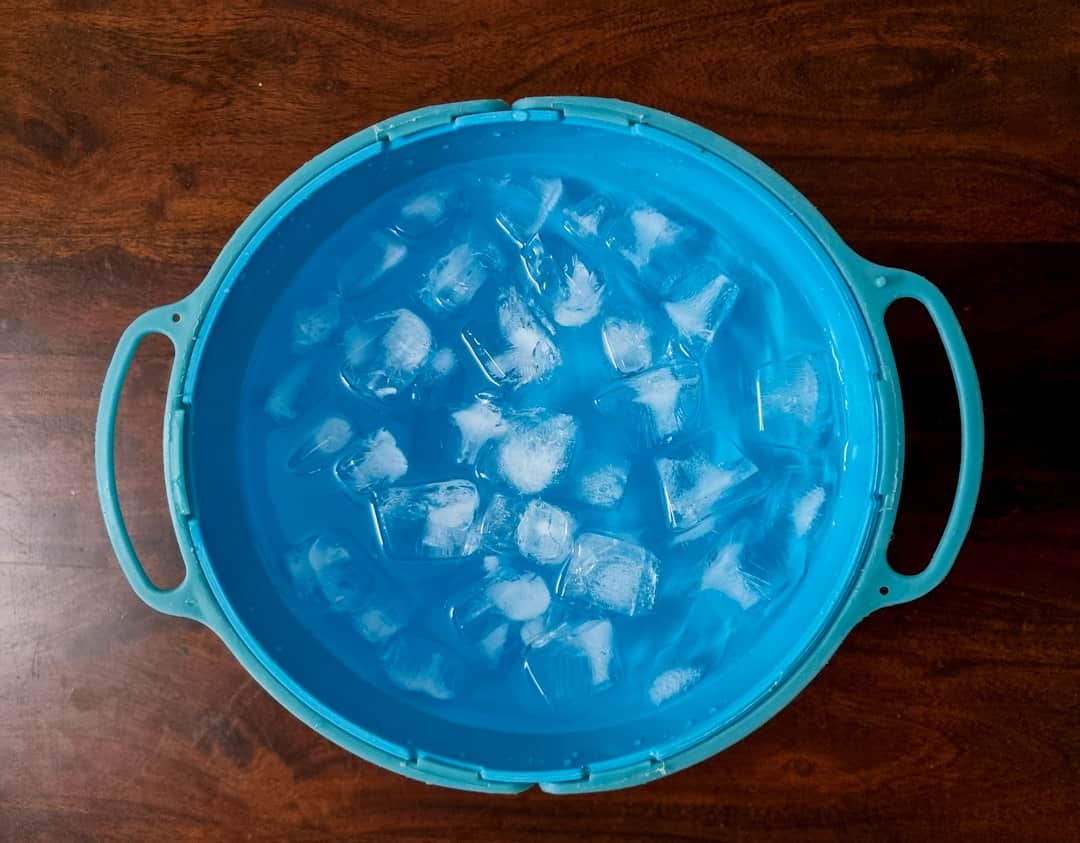
Illustrative photo: Aman Krishna / Unsplash; not a clinical case or treatment demonstration.
Not in every circumstance. Plain ice is simply frozen water and is not inherently toxic to dogs. PetMD’s veterinarian-reviewed overview notes that many dogs tolerate ice, while hard pieces can be a risk for certain pets. Fresh drinking water must remain available, whether or not a dog enjoys licking ice.
The most important risk: broken teeth
Dogs that crunch forcefully on hard ice cubes can fracture teeth. The risk is greater with large, solid pieces or existing dental disease. A painful or cracked tooth can make eating difficult and may need veterinary treatment. If a dog habitually bites through hard objects, choose cool water rather than offering firm ice chunks as a chewing toy. Check with the veterinarian if the dog has dental issues.
Choking, swallowing and individual dog needs
Large slippery pieces may cause coughing, gagging or choking. A dog that gulps treats, has swallowing difficulty or has significant airway disease should not be offered large ice cubes. Smaller pieces or water cooled with ice may be easier to manage, but the safest option depends on the animal’s behavior and health. Supervise treats and remove anything that causes distress.
Can puppies have ice cubes?
Puppies differ in chewing behavior and coordination. A puppy that is teething may seek cool objects for comfort, but this is not a reason to give hard cubes that might harm teeth or be swallowed awkwardly. Ask the veterinary team about puppy-appropriate, supervised cooling and teething products. Avoid leaving a puppy unattended with a large ice cube or frozen object.
Ice in the water bowl
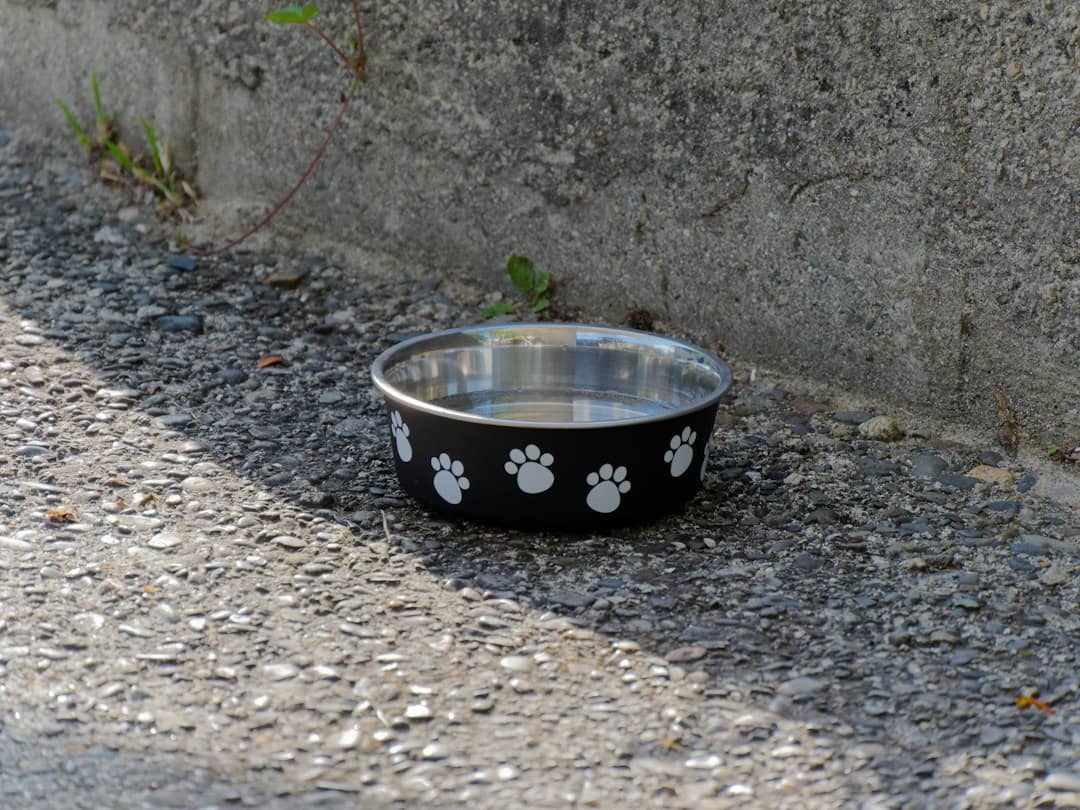
Illustrative photo: Koa’link / Unsplash; not a clinical case or treatment demonstration.
Adding a few ice cubes to a bowl of fresh water can help keep the water cool. Change and clean the water regularly. If a dog drinks unusually large amounts, becomes persistently thirsty or suddenly changes its drinking habits, speak with a veterinarian: excessive thirst can be a symptom of illness and should not be dismissed as a preference for cold water.
Ice is not a heatstroke treatment
A dog showing marked panting, weakness, unusual behavior or collapse in hot weather needs urgent veterinary care. Move the dog to a cooler area and contact an emergency veterinarian immediately. The BC SPCA’s heatstroke guidance recommends cooling with water and avoiding applying ice directly to the animal. Do not delay a veterinary visit while waiting for ice to work.
Does ice cause bloat?
Ice alone has not been shown to be a specific cause of gastric dilatation-volvulus (GDV). Bloat is a complex, potentially fatal emergency that involves multiple risk factors. A dog with a swollen abdomen, repeated unproductive retching, distress or collapse needs emergency veterinary care regardless of whether it recently drank cold water. Our dog hydration guide covers basic water access and illness warning signs.
Practical alternatives for hot days
- Offer clean, cool drinking water throughout the day.
- Provide shade and a cooler indoor resting area.
- Limit activity during very hot weather.
- Choose dog-safe, veterinarian-approved cooling enrichment instead of hard chewing objects.
- Seek veterinary advice if a dog seems unwell or unable to stay comfortable.
Bottom line
Small amounts of ice or cool drinking water can be fine for many healthy dogs, but avoid hard or oversized cubes for dogs prone to chewing injuries or swallowing problems. Ice is not necessary for health, and it should never delay professional care for overheating or illness. For more pet-food guidance, see our watermelon safety article.