Can Dogs Eat Nutella? Chocolate Spread Safety
Can dogs eat Nutella? No chocolate hazelnut spread should be offered as a routine dog snack. Nutella contains cocoa alongside sugar and fat, and chocolate-flavored spreads vary by recipe and brand. The level of risk after an accidental ingestion depends on the actual product, the amount eaten, the dog’s size and any symptoms. Do not confuse chocolate hazelnut spreads with plain, dog-appropriate peanut butter.
If your dog ate a spread: Preserve the jar or label, estimate the amount and contact a veterinarian or poison-information service if the exposure is substantial or uncertain. Check whether the product contains xylitol, macadamias or other hazardous additions; suspected xylitol ingestion requires urgent professional advice. Avoid trying to make your dog vomit at home.
Why cocoa-containing spreads are unsuitable
Cocoa products can supply theobromine and caffeine, compounds that dogs handle differently from people. The quantity depends on the amount and type of cocoa in the formula; you cannot infer an exact dose of theobromine from the marketing name alone. Cornell’s veterinary chocolate guidance recommends prompt assessment based on the product, body size and amount swallowed.

Sugar, fat and the risk of digestive problems
A rich, sweet spread can upset a dog’s stomach even if its cocoa concentration is lower than dark chocolate. Fat and sugar are unnecessary additions to a balanced canine diet and can contribute to digestive problems; some dogs are particularly vulnerable because of existing disease or a history of pancreatitis. A tiny accidental lick is different from eating most of a jar, but neither situation is a reason to feed the spread intentionally.
Is every hazelnut or chocolate spread identical?
No. Formulas differ in cocoa percentage, type of sweetener, dairy ingredients and added flavors. A product labeled sugar-free may require particular attention because of potential xylitol. Other spreads may include nuts or other ingredients that are inappropriate for dogs. Read the complete label and avoid guessing what the dog consumed from a photograph of the jar. The Pet Poison Helpline describes the importance of ingredients in chocolate-related exposures.
What signs should owners watch for?
Concerning symptoms can include vomiting, diarrhea, restlessness, rapid breathing, tremors, weakness or collapse. Signs may be delayed, and a small dog may have less margin for a large amount of chocolate-containing food. Seek urgent veterinary care for severe symptoms. Do not wait for a dog to look ill when a clearly dangerous ingredient such as xylitol is suspected.
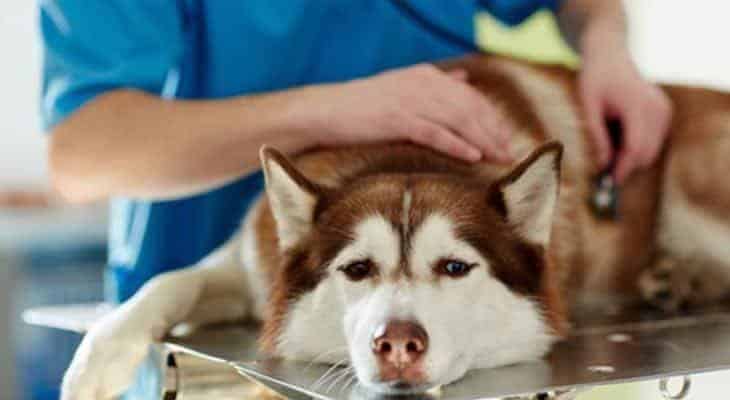
A sensible response if your dog got into the jar
- Check the product’s full ingredient list, including sweeteners and mix-ins.
- Estimate the amount missing and the approximate time of ingestion.
- Tell a veterinarian or animal poison service the dog’s size, symptoms and medical conditions.
- Do not offer extra oils, antacids, milk or other supposed antidotes.
- Keep rich spreads and other chocolate products stored where pets cannot reach them.
Are dog-safe alternatives available?
A dog does not need chocolate or nut spreads for enjoyment. Use the dog’s normal food as training treats or offer a familiar, veterinarian-approved treat. If peanut butter is part of the plan, verify that it does not contain xylitol and that the calories suit the dog. See our peanut butter guide and white chocolate guidance for two related but distinct decisions.
Bottom line
Nutella is not a recommended treat for dogs. The risks involve cocoa ingredients, high fat and sugar, and potentially different ingredients in lookalike spreads. Following an accidental ingestion, identify the precise product and seek individualized veterinary advice rather than relying on a blanket safe amount.